


Introduction: Why Printable Reflective Sheeting Is Growing in Demand
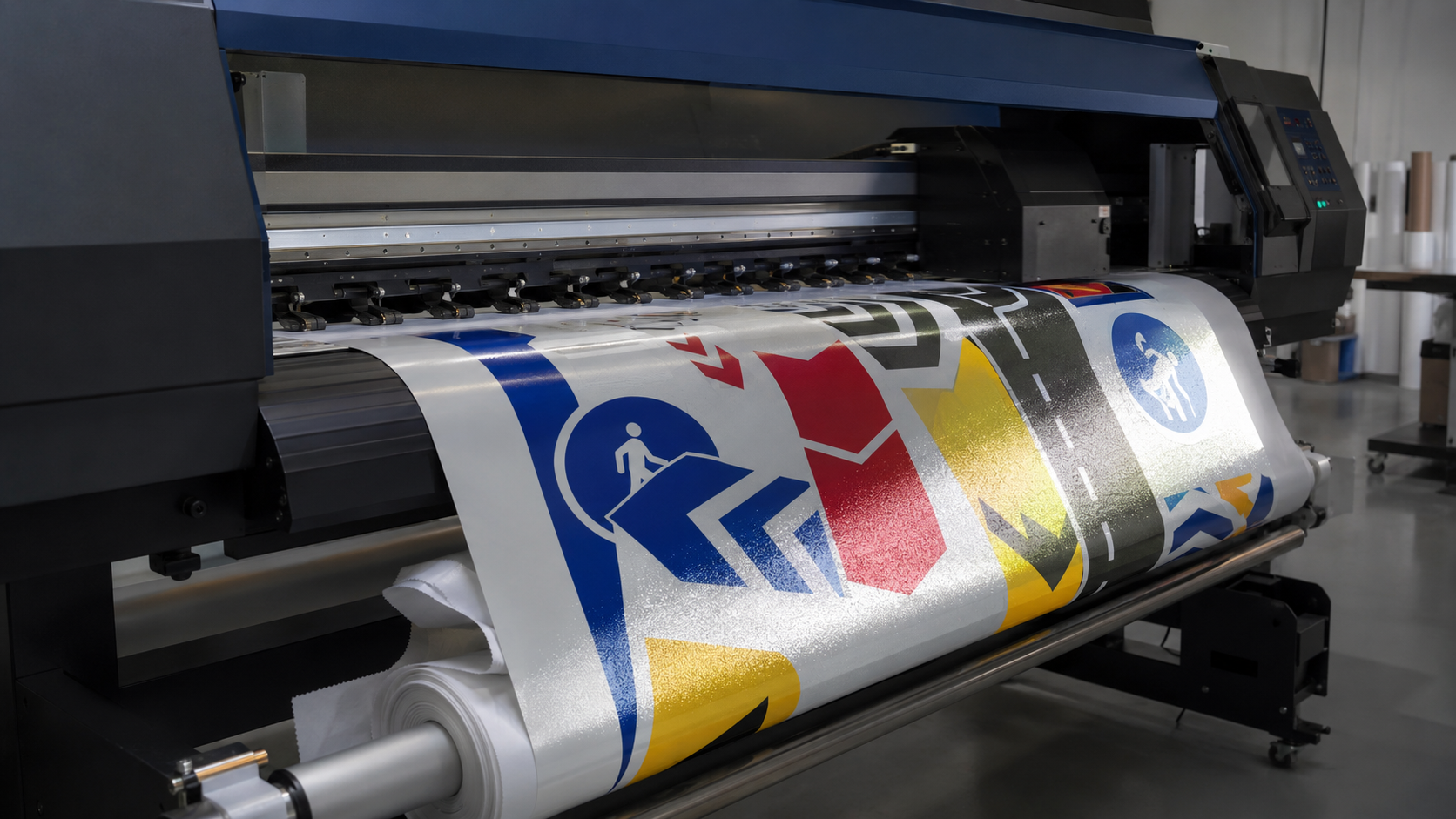
The signage and graphics industry is changing quickly.
Customers no longer want simple reflective signs with limited designs. They want high-visibility graphics, customized road signs, branded vehicle markings, and colorful safety solutions that combine visibility with creativity.
This is where printable reflective sheeting for digital printing has become increasingly popular.
Unlike traditional reflective films that only allow basic colors or simple designs, printable reflective sheeting gives manufacturers, sign makers, and distributors the ability to create detailed images while maintaining strong nighttime visibility.
Think about it this way: traditional reflective sheeting is like a blank white canvas, while printable reflective sheeting is a canvas that can also shine in the dark.
From traffic signs and emergency vehicle graphics to advertising boards and safety labels, printable reflective materials are helping businesses create products that are both functional and visually attractive.
But with so many options available, choosing the right printable reflective sheeting can be confusing.
Should you choose PVC, PET, or acrylic reflective sheeting?
Which printing technology works best?
What factors determine outdoor durability?
This complete buying guide will answer these questions and help you select the right reflective printing material for your application.
What Is Printable Reflective Sheeting?
Printable reflective sheeting is a specially engineered retroreflective material designed to accept digital printing while maintaining reflective performance.
Unlike ordinary reflective film, printable reflective sheeting includes a specially treated surface layer that allows ink to bond properly.
This makes it compatible with modern printing technologies such as:
Eco-solvent printing
Solvent printing
Latex printing
UV printing
Screen printing
The result is a reflective graphic material that can display:
Logos
Images
Text
Warning symbols
Brand graphics
Safety instructions
while still reflecting light back toward vehicle drivers at night.
How Printable Reflective Sheeting Works
The secret behind reflective sheeting is its retroreflective structure.
When headlights hit the surface, microscopic reflective elements redirect the light back toward the driver.
There are two main reflective technologies:
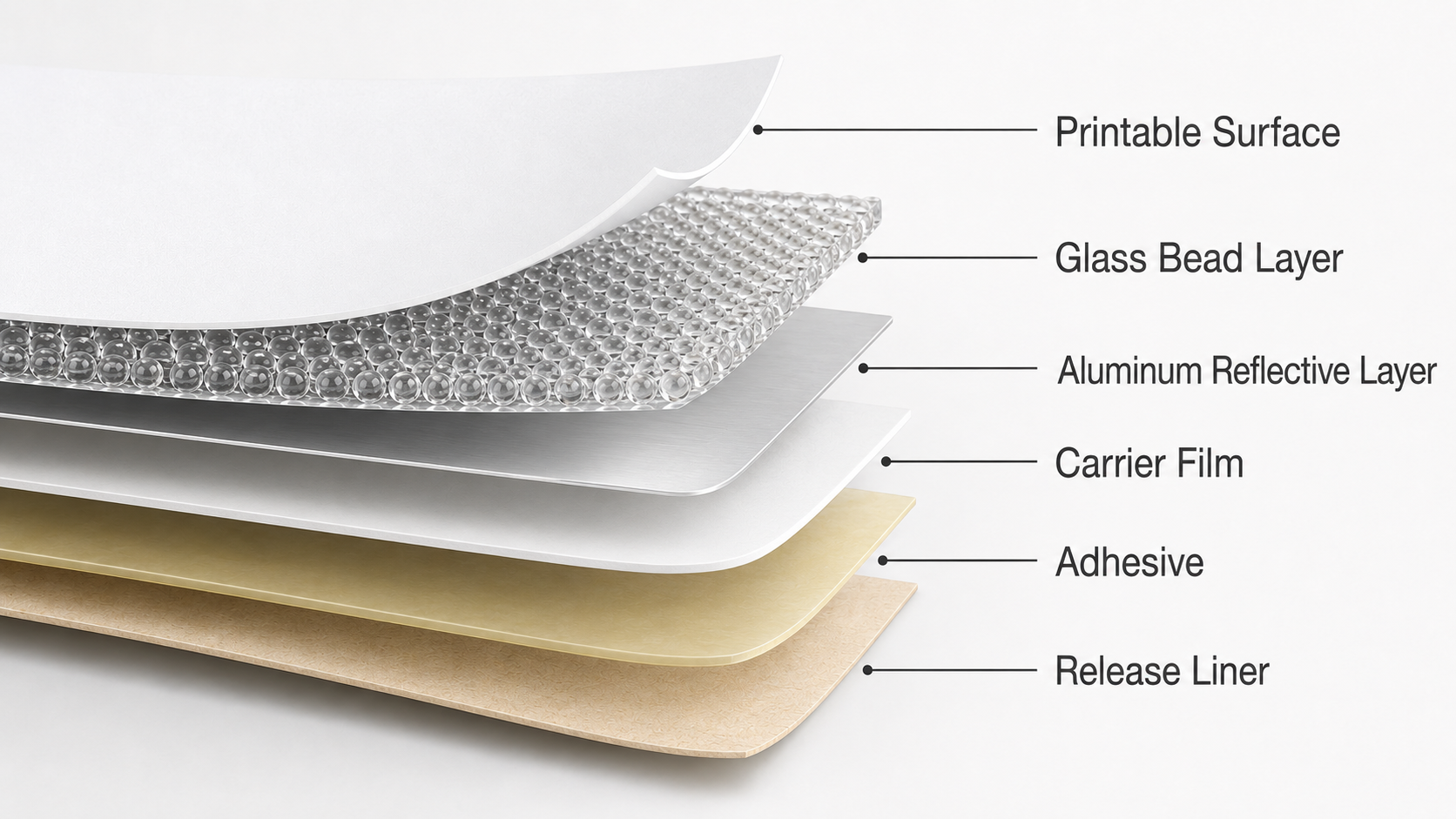
Glass Bead Reflective Technology
Glass bead reflective sheeting uses millions of tiny glass beads embedded inside the material.
Advantages include:
Stable reflective performance
Cost efficiency
Good printing compatibility
Easy processing
This technology is commonly used in:
Commercial reflective vinyl
Advertising reflective films
Engineering-grade reflective sheeting
Microprismatic Reflective Technology
Microprismatic reflective sheeting uses precisely designed prism structures.
Advantages include:
Higher brightness
Longer visibility distance
Better angular performance
It is often used for:
Highway signs
High-performance traffic applications
Emergency vehicle markings
Difference Between Standard Reflective Sheeting and Printable Reflective Sheeting
Many buyers assume that any reflective film can be printed.
However, this is not true.
Standard reflective sheeting is mainly designed for:
Plotter cutting
Simple lettering
Basic sign production
Printable reflective sheeting includes a special printable coating that improves:
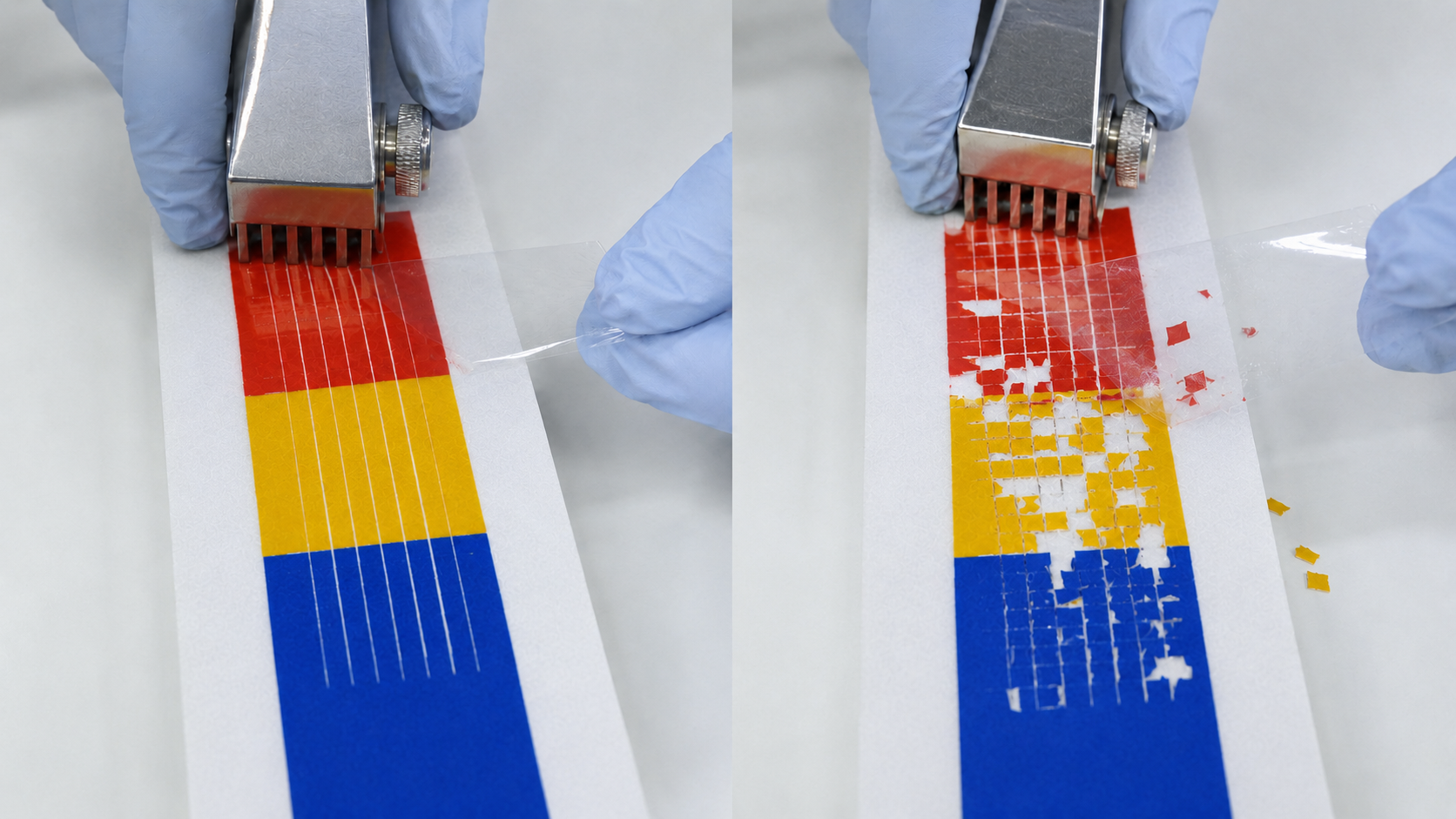
Ink adhesion
Color reproduction
Image quality
Outdoor durability
The difference is similar to printing on ordinary paper versus professional photo paper.
Both can receive ink, but the final result is completely different.
Understanding Reflective Sheeting Construction
To choose the right product, it helps to understand how reflective sheeting is built.
A typical printable reflective sheet contains several layers.
Reflective Layer Technology
The reflective layer determines the brightness and viewing performance.
Important factors include:
Retroreflective coefficient
Viewing angle
Entrance angle performance
Optical stability
Higher-quality reflective layers provide better visibility in:
Rain
Fog
Low-light conditions
Long-distance viewing
Surface Coating for Digital Printing
The printing surface is one of the most important differences between ordinary reflective materials and printable reflective sheeting.
A quality printable coating provides:
Strong ink absorption
Accurate color reproduction
Smooth printing performance
Better weather resistance
Without a proper coating, ink may:
Peel off
Fade quickly
Spread unevenly
Lose brightness
Adhesive and Release Liner Structure
The adhesive layer determines installation performance.
Common adhesive types include:
Permanent Pressure Sensitive Adhesive
Used for:
Traffic signs
Vehicle graphics
Long-term outdoor applications
Removable Adhesive
Used for:
Temporary advertising
Short-term promotions
Event signage
The release liner protects the adhesive before application and should remove smoothly without damaging the material.
Types of Printable Reflective Sheeting Available on the Market
Different applications require different materials.
The three most common printable reflective sheeting types are:
PVC reflective sheeting
PET reflective sheeting
Acrylic reflective sheeting
Each material has unique characteristics.
PVC Printable Reflective Sheeting
PVC printable reflective sheeting is currently one of the most widely used reflective printing materials.
Its popularity comes from its balance between:
Cost
Flexibility
Printability
Availability
Advantages of PVC Reflective Sheeting
PVC reflective vinyl offers:
Excellent flexibility
Easy cutting
Good printing performance
Compatibility with curved surfaces
Competitive pricing
It is commonly used for:
Vehicle graphics
Advertising signs
Temporary traffic signs
Promotional displays
Limitations of PVC Reflective Sheeting
Compared with premium materials, PVC may have:
Lower dimensional stability
Shorter lifespan in extreme environments
Less rigidity
However, for many commercial applications, PVC provides excellent value.
PET Printable Reflective Sheeting
PET reflective sheeting uses polyester as the base material.
Compared with PVC, PET offers:
Higher stiffness
Better dimensional stability
Stronger resistance to tearing
PET reflective materials are often preferred for:
Safety signs
Flat panels
Plotter-cut applications
Long-term signage
The semi-rigid structure makes PET easier to handle during production.
Acrylic Printable Reflective Sheeting
Acrylic reflective sheeting uses PMMA (polymethyl methacrylate) as the base material.
It is known for:
Excellent weather resistance
Strong outdoor durability
Good optical performance
Acrylic reflective materials are often selected for premium applications where long service life is required.
Typical applications include:
Traffic signs
License plate materials
Architectural signage
Printing Technologies Compatible with Reflective Sheeting
Choosing the correct printing technology is just as important as selecting the reflective material itself.
A high-quality printable reflective sheet can still produce poor results if the wrong printing method or ink system is used.
Different printing technologies affect:
Color accuracy
Ink adhesion
Outdoor durability
Production efficiency
Overall project cost
Let's look at the most common printing methods used with printable reflective sheeting.
Eco-Solvent Printing
Eco-solvent printing is one of the most popular printing methods for printable reflective vinyl.
It is widely used by sign makers because it provides a good balance between:
Image quality
Cost efficiency
Outdoor durability
Eco-solvent inks slightly penetrate the surface coating, creating strong adhesion without damaging the reflective layer.
Advantages of Eco-Solvent Printing
Excellent color reproduction
Suitable for outdoor graphics
Lower equipment investment
Good compatibility with PVC reflective vinyl
Suitable for small and medium production runs
Common Applications
Eco-solvent printed reflective sheeting is commonly used for:
Advertising signs
Vehicle graphics
Promotional boards
Reflective decals
Safety labels
For most commercial sign applications, eco-solvent printing remains one of the most practical choices.
Solvent Printing
Solvent printing uses stronger solvent-based inks that provide excellent outdoor resistance.
Compared with eco-solvent printing, traditional solvent printing usually offers:
Higher ink penetration
Stronger adhesion
Better durability in harsh environments
This makes it suitable for demanding outdoor applications.
Advantages of Solvent Printing
Excellent weather resistance
Strong color stability
Long outdoor service life
Good performance in extreme climates
Typical Applications
Solvent printed reflective sheeting is often used for:
Highway-related graphics
Industrial warning signs
Fleet vehicle markings
Outdoor safety applications
However, solvent printing requires proper ventilation and professional equipment.
Latex Printing
Latex printing has become increasingly popular because it combines environmental advantages with strong outdoor performance.
Latex inks are water-based and use heat curing technology to bond with the printable surface.
Benefits of Latex Printing
Environmentally friendly
Low odor
Fast production
Excellent scratch resistance
Suitable for indoor and outdoor applications
Latex printing is especially attractive for companies producing:
Retail signage
Indoor safety graphics
Commercial displays
Large-format reflective graphics
UV Printing
UV printing uses ultraviolet light to instantly cure ink on the surface of the reflective material.
Unlike solvent-based methods, UV ink remains mainly on the surface.
Advantages of UV Printing
High-resolution images
Fast drying
Excellent detail reproduction
Suitable for rigid reflective materials
UV printing works particularly well with:
Acrylic reflective sheets
PET reflective sheets
Flat reflective panels
Applications
Common UV printing applications include:
Custom traffic signs
Decorative reflective panels
Architectural signage
Industrial identification plates
Screen Printing
Although digital printing is growing rapidly, screen printing remains widely used for large-volume reflective sign production.
It is commonly used for:
Traffic signs
Warning symbols
Standardized safety graphics
Advantages of Screen Printing
High production efficiency
Low cost for mass production
Excellent ink durability
Strong color density
However, screen printing is less flexible compared with digital printing when customers require customized designs.
Key Factors to Consider When Buying Printable Reflective Sheeting
Buying printable reflective sheeting is not only about choosing the cheapest roll.
The right material should match your:
Printing equipment
Application environment
Expected lifespan
Customer requirements
Here are the most important factors to evaluate.
Reflectivity Performance
The main purpose of reflective sheeting is visibility.
Therefore, retroreflective performance should always be one of the first considerations.
Important technical indicators include:
Coefficient of retroreflection
Observation angle
Entrance angle
Reflective color performance
Higher reflectivity improves:
Nighttime visibility
Driver recognition distance
Safety performance
For example, a highway warning sign requires much higher reflective performance than a temporary advertising board.
Choosing the wrong reflective grade can result in poor visibility and customer complaints.
Printing Compatibility
Not every reflective material works with every printer.
Before purchasing, confirm:
Compatible printer type
Recommended ink system
Printing temperature requirements
Recommended drying process
A professional supplier should provide a clear printing compatibility guide.
For example:
Reflective Material | Recommended Printing |
|---|---|
PVC Reflective Sheeting | Eco-solvent, solvent, latex, UV |
PET Reflective Sheeting | UV, solvent, screen printing |
Acrylic Reflective Sheeting | UV, screen printing |
Outdoor Durability
Outdoor reflective materials face constant environmental challenges.
A quality printable reflective sheet should resist:
UV radiation
Rain
Humidity
Temperature changes
Pollution
Chemical exposure
The actual lifespan depends on:
Material structure
Reflective technology
Adhesive quality
Installation method
Climate conditions
Premium reflective sheeting can maintain performance for many years under outdoor exposure.
Adhesive Performance
The adhesive system directly affects installation quality.
A poor adhesive can cause:
Edge lifting
Bubble formation
Material detachment
Early failure
When selecting printable reflective sheeting, consider:
Permanent Adhesive
Best for:
Traffic signs
Long-term outdoor graphics
Vehicle markings
Removable Adhesive
Best for:
Temporary campaigns
Short-term events
Promotional signage
A good adhesive should provide strong bonding while remaining easy to apply.
Material Thickness and Flexibility
Thickness affects:
Handling
Printing stability
Installation difficulty
Durability
Common thickness ranges include:
100–150 microns for flexible reflective vinyl
200–300+ microns for engineering-grade materials
Flexible materials are ideal for:
Curved surfaces
Vehicle applications
Temporary signage
Rigid materials are better for:
Flat panels
Long-term signs
Industrial applications
Printable Reflective Sheeting Grades Explained
Reflective sheeting is usually classified according to performance level.
Different grades are designed for different environments.
Commercial Grade Reflective Sheeting
Commercial grade reflective sheeting is mainly designed for:
Advertising
Decorative signage
Short-term outdoor applications
It provides:
Good visibility
Easy printing
Affordable cost
Typical lifespan:
1–3 years depending on environment
Common applications:
Store signs
Promotional boards
Event graphics
Advertising displays
For businesses looking for cost-effective reflective printing solutions, commercial grade materials are often the first choice.
Engineering Grade Printable Reflective Sheeting
Engineering grade reflective sheeting offers improved durability compared with commercial products.
It is commonly used for:
Road signs
Construction signs
Safety applications
Typical features include:
Better retroreflectivity
Stronger weather resistance
Longer outdoor lifespan
Engineering-grade printable reflective sheeting is a popular choice for customers requiring reliable performance without moving into premium pricing.
High Performance Reflective Sheeting
High performance reflective sheeting represents the premium segment.
It usually uses advanced microprismatic technology.
Benefits include:
Extremely high brightness
Wider viewing angles
Longer service life
Superior nighttime visibility
Applications include:
Highway signs
Emergency vehicles
Critical safety markings
Although the initial cost is higher, the longer lifespan often creates better value over the product lifecycle.
Applications of Printable Reflective Sheeting
Printable reflective materials are becoming increasingly popular because they combine safety and customization.
Let's explore the major application areas.
Traffic Signs and Road Safety Applications
Traffic signs are one of the most important uses of reflective sheeting.
A road sign must remain visible:
During the daytime
At night
During bad weather
From different viewing angles
Printable reflective sheeting allows authorities and sign manufacturers to produce:
Custom warning signs
Direction signs
Construction signs
Temporary traffic signs
High-quality reflective performance directly contributes to safer transportation systems.
Vehicle Graphics and Fleet Markings
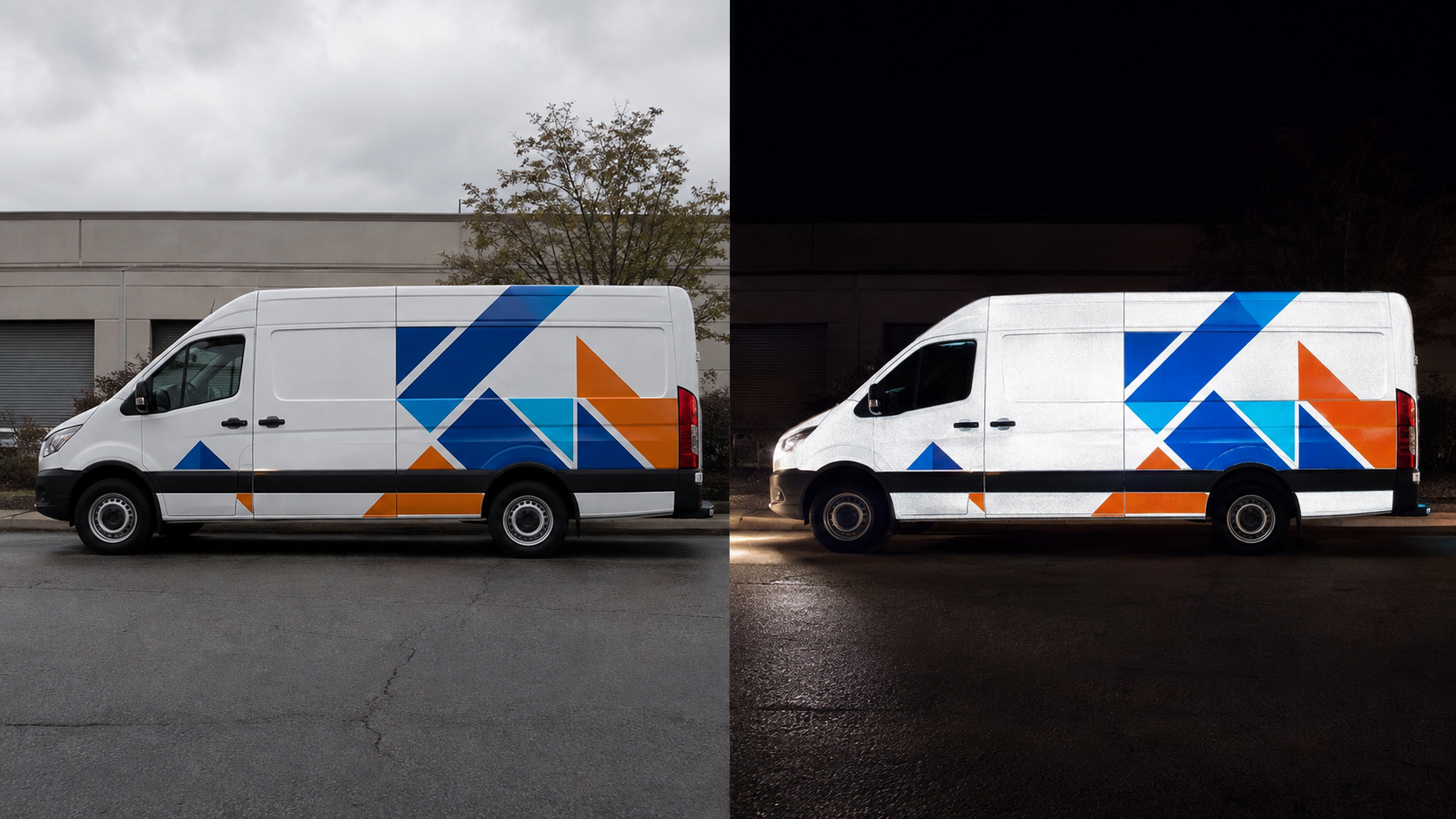
Commercial vehicles operate day and night, making visibility essential.
Printable reflective sheeting is widely used for:
Truck graphics
Emergency vehicles
Delivery fleets
Service vehicles
Benefits include:
Increased nighttime visibility
Brand promotion
Improved vehicle safety
A company vehicle can become both a marketing tool and a safety feature.
Advertising and Commercial Signage
Traditional advertising materials disappear at night.
Reflective advertising graphics solve this problem by allowing brands to remain visible after dark.
Applications include:
Shopping mall signs
Outdoor advertising boards
Retail displays
Promotional graphics
Businesses can combine:
Attractive designs
Brand identity
Nighttime visibility
This creates stronger advertising impact.
Safety and Industrial Applications
Industrial environments often require clear identification.
Printable reflective materials are used for:
Warehouse markings
Equipment labels
Safety instructions
Hazard warnings
Reflective graphics improve worker awareness in low-light environments.
How to Choose the Right Printable Reflective Sheeting Supplier
Choosing the right supplier is one of the most important decisions when purchasing printable reflective sheeting.
A reflective material supplier is not only providing rolls of film. They are providing the foundation of your final product performance.
A low-quality supplier may offer attractive pricing, but problems can appear later:
Poor ink adhesion
Uneven reflectivity
Short outdoor lifespan
Adhesive failure
Customer complaints
A reliable supplier should provide consistent quality, technical support, and documentation. Leading reflective material manufacturers often develop products specifically for digital printing applications, including materials compatible with digital printers and different performance grades.
Technical Support and Product Documentation
Professional suppliers should provide complete technical information before you place an order.
Important documents include:
Technical Data Sheet (TDS)
Safety Data Sheet (MSDS/SDS)
Printing guidelines
Application instructions
Durability information
Test reports
Why does this matter?
Because printable reflective sheeting is not a simple adhesive vinyl product.
Small differences in:
Surface coating
Reflective layer structure
Adhesive formulation
Material thickness
can significantly affect printing results.
A supplier with strong technical knowledge can help you select the correct product instead of simply selling the cheapest option.
Quality Control and Testing Standards
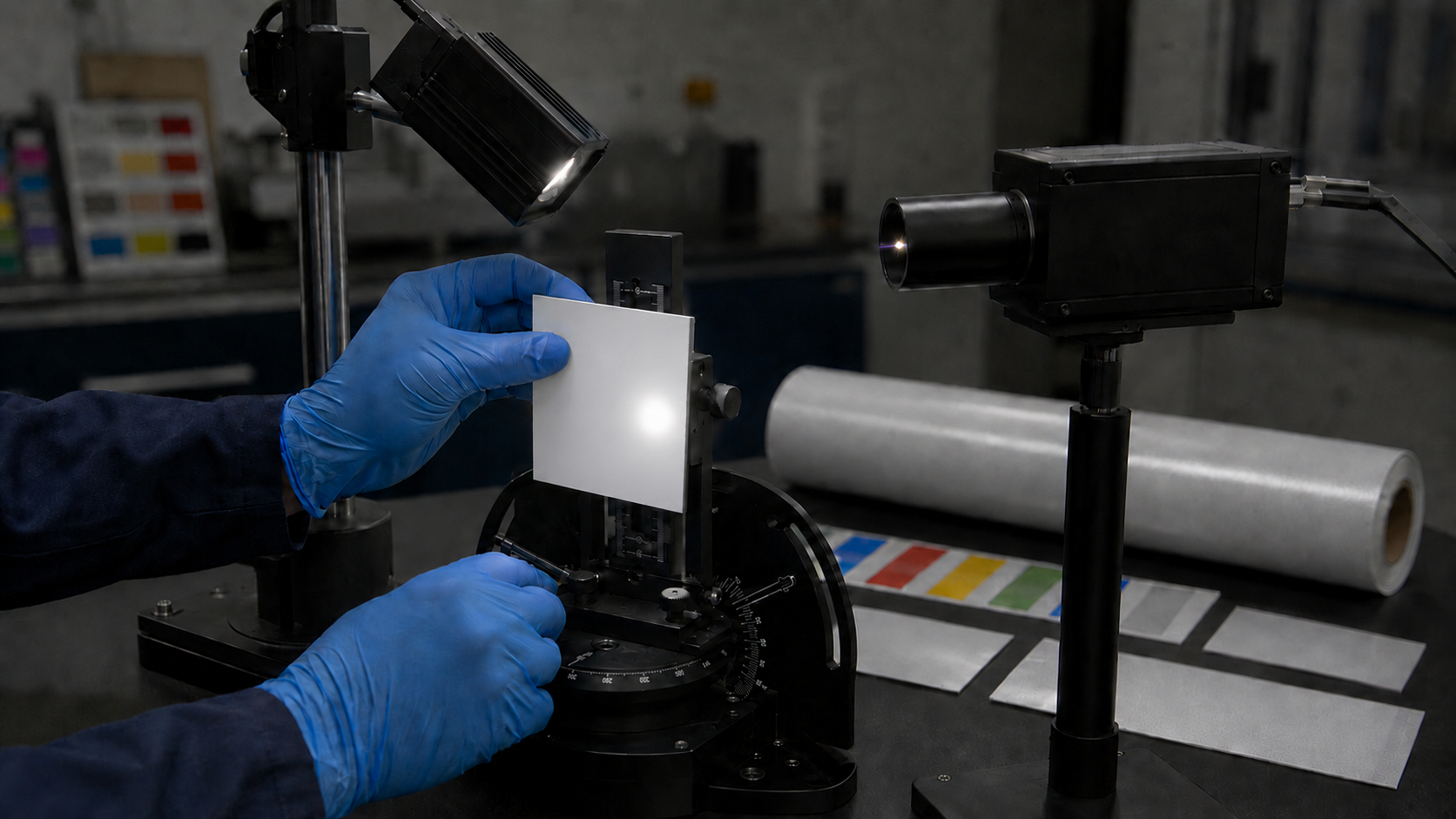
Quality control separates professional manufacturers from ordinary trading companies.
During production, reliable reflective sheeting manufacturers should control:
Raw Material Inspection
Before production begins, manufacturers should inspect:
PET/PVC/acrylic base materials
Reflective beads or prism layers
Adhesive materials
Release liners
Surface coating chemicals
Any unstable raw material can affect final performance.
Production Process Control
Important production checkpoints include:
Coating thickness
Reflective performance
Lamination quality
Adhesive uniformity
Surface smoothness
A printable reflective sheet must have a consistent surface because digital printing requires excellent media stability.
Finished Product Testing
Before shipment, products should be tested for:
Retroreflectivity
Color accuracy
Adhesion strength
Ink compatibility
Weather resistance
For traffic-related applications, many customers require compliance with standards such as ASTM or EN specifications. Some digital reflective sheeting products are specifically designed to meet traffic sign requirements while supporting digital printing processes.
OEM and Custom Solutions
For distributors and international buyers, OEM capability can create significant advantages.
A professional reflective sheeting manufacturer should be able to provide:
Customized roll sizes
Private labeling
Custom packaging
Different adhesive options
Special colors
Application-specific solutions
For example, a distributor selling mainly to sign shops may require:
Standard 1.22m width rolls
while a traffic sign manufacturer may need:
Specific widths
Specific certifications
Specific reflective grades
Flexible production capability allows suppliers to support different markets.
Common Mistakes When Purchasing Printable Reflective Sheeting
Many buyers focus only on price.
However, the cheapest material is not always the most economical choice.
Here are the most common purchasing mistakes.
Choosing the Wrong Reflective Grade
One of the biggest mistakes is selecting a material based only on appearance.
Two reflective films may look almost identical during the daytime but perform very differently at night.
For example:
Commercial grade → advertising and short-term use
Engineering grade → road signs and safety applications
HIP/Diamond grade → critical visibility applications
Using commercial-grade material for a high-demand traffic application can create serious performance issues.
Ignoring Printer Compatibility
A common mistake is purchasing reflective material first and checking printer compatibility later.
Before buying, always confirm:
Printer model
Ink type
Printing temperature
Recommended profiles
Different reflective materials have different printing requirements.
A supplier should clearly explain whether the product supports:
Eco-solvent
Latex
UV
Solvent
Screen printing
Not Considering the Final Application Environment
The installation environment determines material selection.
Ask these questions:
Will the product be indoors or outdoors?
How many years should it last?
Will it face sunlight every day?
Will it experience rain or snow?
Will it be cleaned frequently?
A reflective film used on a delivery truck requires different performance compared with a temporary advertising board.
Buying Based Only on Price
Price is important, but total value matters more.
A cheaper reflective sheet may create hidden costs:
More installation problems
More replacements
More customer returns
Lower brand reputation
A slightly higher-quality material often provides better long-term profitability.
Future Trends of Digital Printing Reflective Materials
The reflective printing industry continues to evolve.
Several important trends are shaping the future market.
Higher Demand for Customized Safety Graphics
Traditional traffic signs usually rely on simple colors and symbols.
However, modern cities increasingly require:
Custom wayfinding systems
Tourist information signs
Smart city graphics
Decorative safety signage
Digital printing makes these designs easier and more efficient to produce.
Growth of Eco-Friendly Printing Technologies
Environmental requirements are becoming increasingly important.
Future reflective printing solutions will focus on:
Lower VOC inks
Water-based technologies
Recyclable materials
Reduced production waste
Latex printing and other environmentally friendly technologies are expected to gain more attention.
Improved Reflective Performance
Reflective material manufacturers continue improving optical technology.
Future developments include:
Higher brightness
Wider viewing angles
Longer durability
Better performance in rain and fog
Premium microprismatic reflective materials already demonstrate how advanced optical structures can improve nighttime visibility.
Integration of Digital Manufacturing
The combination of:
Digital printing
CNC cutting
Automated sign production
Smart inventory systems
will make reflective sign production faster and more customized.
Manufacturers and distributors who adopt digital workflows will have stronger market competitiveness.
Frequently Asked Questions About Printable Reflective Sheeting
What is printable reflective sheeting used for?
Printable reflective sheeting is used for applications requiring both customized graphics and nighttime visibility.
Common uses include:
Traffic signs
Vehicle graphics
Safety markings
Advertising signs
Industrial labels
Can reflective sheeting be printed with an ordinary printer?
No.
Printable reflective sheeting requires compatible large-format printers and suitable ink systems.
Common compatible technologies include:
Eco-solvent
Solvent
Latex
UV
Screen printing
Which is better: PVC, PET, or acrylic reflective sheeting?
It depends on your application.
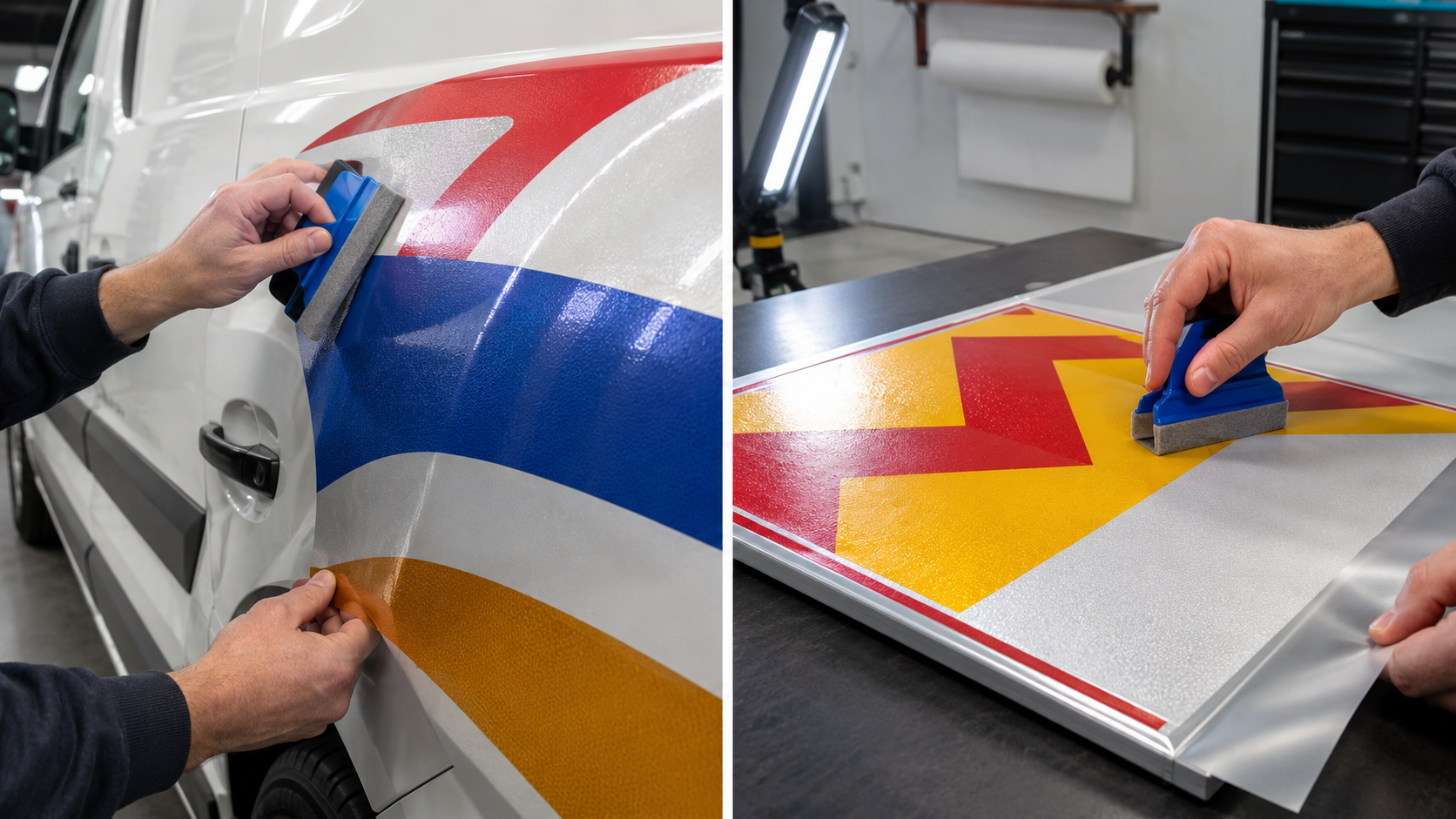
PVC Reflective Sheeting
Best for:
Flexible applications
Advertising graphics
Vehicle decoration
PET Reflective Sheeting
Best for:
Rigid signs
Plotter cutting
Dimensional stability
Acrylic Reflective Sheeting
Best for:
Premium outdoor applications
Long-term durability
How long does printable reflective sheeting last outdoors?
The lifespan depends on:
Material type
Reflective grade
Climate conditions
Installation method
Typical durability ranges:
Commercial grade: 1–3 years
Engineering grade: 5–7 years
Premium grades: 7–12+ years
Some high-performance digital reflective sheeting products are designed for long-term traffic applications with extended durability warranties when used with compatible printing systems.
What information should I request from a supplier before buying?
Before placing an order, request:
TDS
MSDS
Test reports
Printing recommendations
Sample materials
Warranty information
Testing samples before bulk purchasing can prevent expensive mistakes.
Conclusion: Making the Right Choice for Your Printing Projects
Printable reflective sheeting for digital printing has transformed the signage industry by combining creativity, customization, and safety.
Whether you are producing traffic signs, vehicle graphics, advertising displays, or industrial safety labels, choosing the correct reflective material is essential.
The best purchasing decision depends on several factors:
Application requirements
Printing technology
Reflective performance
Outdoor durability
Supplier capability
There is no single reflective sheeting product that fits every project.
A commercial advertising company may need flexible PVC reflective vinyl, while a highway sign manufacturer may require premium high-performance reflective materials.
The key is matching the material technology with the real-world application.
When selecting a supplier, focus on more than price. Look for:
Stable product quality
Technical expertise
Reliable testing
Consistent production
Long-term cooperation
The right printable reflective sheeting does more than create attractive graphics—it improves visibility, enhances safety, and helps businesses deliver higher-value solutions to their customers.
As digital printing technology continues to develop, reflective materials will become even more versatile, creating new opportunities for manufacturers, distributors, and sign professionals worldwide.
RELATED NEWS

Traffic Sign Retroreflectivity: ASTM E1709 Field Guide | ABLAZE
Quick answer: Use a portable sign retroreflectometer with the specified measurement geometry, take multiple readings from each retroreflective color, and compare the results with the applicable minimum maintained retroreflectivity levels. For U.S. traffic signs, the key reference is Section 2A.22 an

Eco-Solvent Printing on Reflective Sheeting: Drying & Lamination
Eco-Solvent Printing on Reflective Sheeting: Drying, Outgassing, Color Profiles and LaminationQuick answer: Use reflective sheeting that is approved for your eco-solvent ink system, select a media profile for the actual printer and material, and allow the print to outgas before laminating. For many