


When buyers request reflective sheeting samples from an overseas supplier, packaging is easy to overlook.
A sample may travel thousands of kilometers before it reaches a sign factory or distributor.
If it arrives folded, scratched or damaged, the buyer may have difficulty evaluating the material correctly.
The packaging method should depend on the sample size, material construction and intended test.
Keep Small Reflective Sheeting Samples Flat
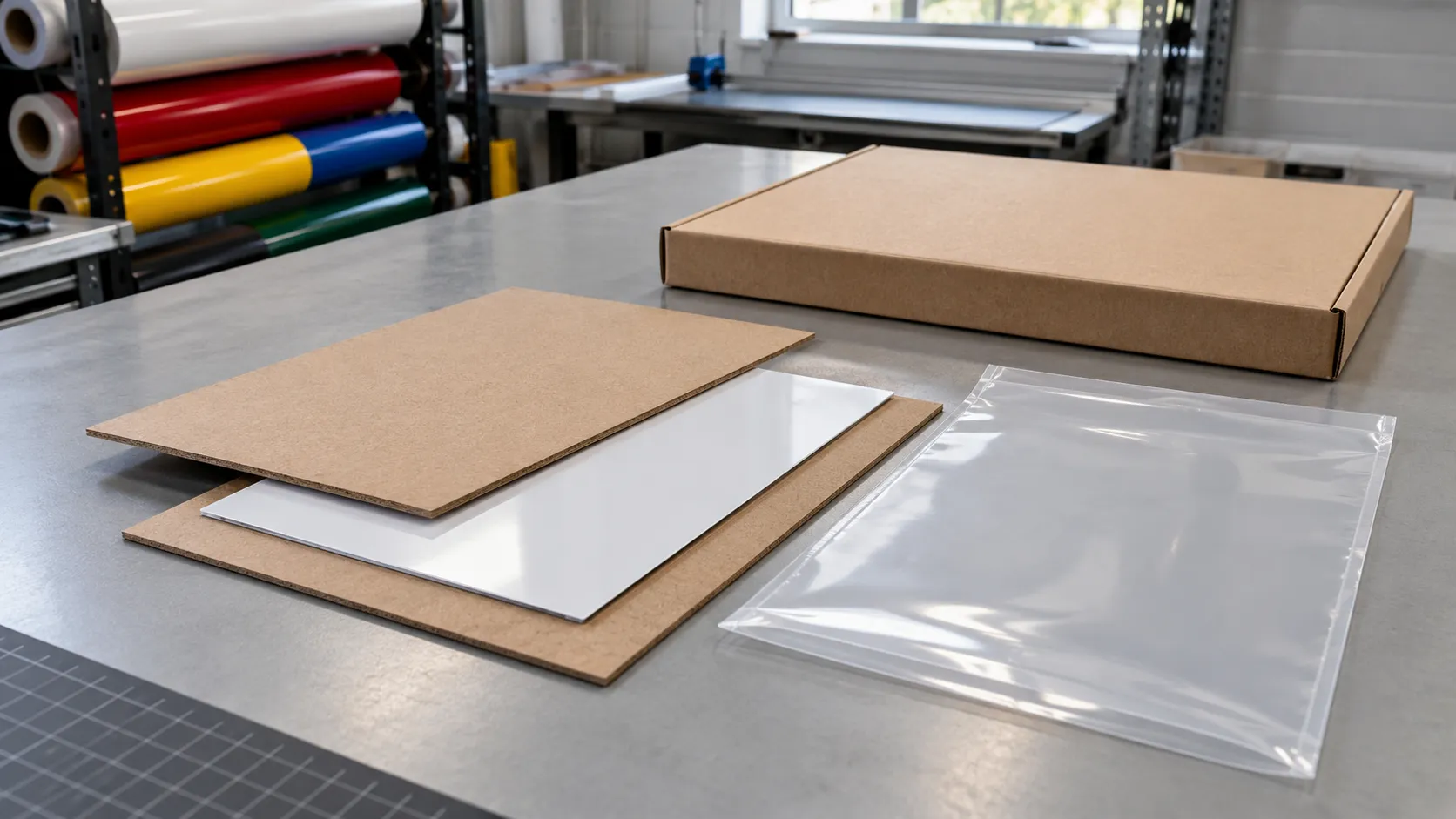
Small reflective sheeting samples, such as A4 or A3 sheets, are usually easier to ship flat.
Place each sample inside a clean protective sleeve with its original release liner attached.
Rigid cardboard or suitable protective boards can be placed on both sides to prevent bending during transportation.
Use a firm outer mailer or carton that fits the sample.
Avoid folding the material to fit a smaller envelope.
Also, do not apply packaging tape directly to the reflective surface.
The goal is simple: the sample should arrive with the same smooth surface and clean edges it had before shipping.
Protect Larger Samples on a Core
Some customers need a larger sample for plotter cutting, printing or application testing.
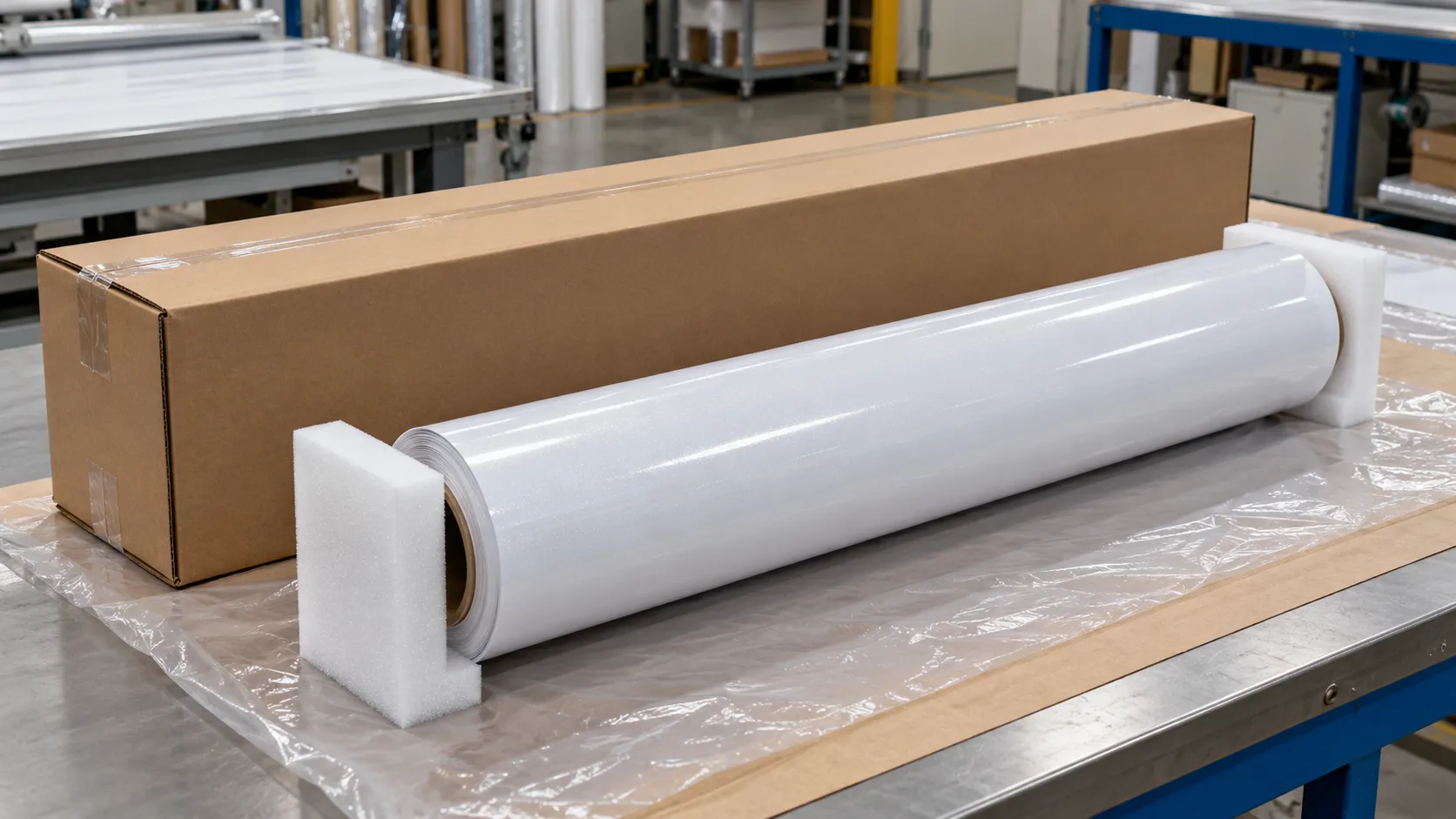
In these cases, a longer piece of reflective sheeting may be rolled around a suitable cardboard core, provided the material construction allows it.
The winding should be even, without excessive tension or tight bending.
After rolling:
Keep the release liner attached.
Protect the exposed material edges.
Wrap the sample in clean protective packaging.
Place the single roll inside a suitably sized long rectangular carton.
Use appropriate supports to prevent movement inside the carton.
Each sample roll should have its own carton.
Do not pack several rolls tightly together or place heavy items directly on the material.
Once the sample reaches the customer's warehouse, proper storage is also important. Our guide explains how to store reflective sheeting rolls properly.
Include Clear Product Information
A sample without identification can create unnecessary confusion.
Two white reflective films may look similar but have different face materials, adhesives or intended applications.
A simple identification label should include the product code, color, sample dimensions and available batch information.
For certain microprismatic products, the material direction may also need to be recorded.
Keep labels on the protective packaging rather than writing directly on the reflective surface.
If several samples are shipped together, package and identify them separately.
For commercial sign-making trials, buyers should also confirm that the selected material is compatible with their equipment. Our advertising-grade reflective sheeting range includes different material constructions for commercial signage applications.
Good identification helps customers compare the correct sample with the product they may eventually order.
Protect Samples During International Transportation
International courier shipments can pass through several sorting facilities, vehicles and warehouses.
Packages may experience vibration, pressure, humidity and temperature changes.
A suitable outer carton, clean inner wrapping and proper cushioning help reduce these risks.
Before dispatch, it is useful to photograph the packed samples and record their product codes.
The shipping documents should also describe the samples accurately and follow the courier's applicable requirements.
For small shipments, careful packaging is more important than making the parcel look attractive.
Check the Samples After Delivery
When the package arrives, check the outer carton before opening it.
Look for crushing, moisture or visible transportation damage.
After unpacking, inspect the sample edges, reflective surface and release liner.
If the material has experienced a large temperature change, allow it to adjust to the workshop environment before processing.
If damage is found, photograph it before discarding the packaging.
Once the material is in good condition, buyers can follow a reflective sheeting quality testing checklist to evaluate its actual performance.
Final Thoughts
Reflective sheeting samples do not require complicated packaging, but they do need suitable protection.
Small pieces should normally be shipped flat. Larger samples may require a suitable core and individual carton.
A clean, properly identified sample gives buyers a more reliable starting point for material testing and future purchasing decisions.
RELATED NEWS

AIS-159 Reflective Sheeting Requirements for India HSRP Manufacturers: Testing and Supplier Qualification
For an Indian High Security Registration Plate manufacturer, choosing reflective sheeting means qualifying a production material against the intended plate system. A bright roll sample is only the beginning. The purchasing decision also needs evidence about color, aluminum adhesion, embossing, hot s

How to Pack Reflective Sheeting Samples for International Shipping
Proper packaging helps reflective sheeting samples arrive safely for testing. Learn how to protect small sheets and sample rolls during international shipping.