



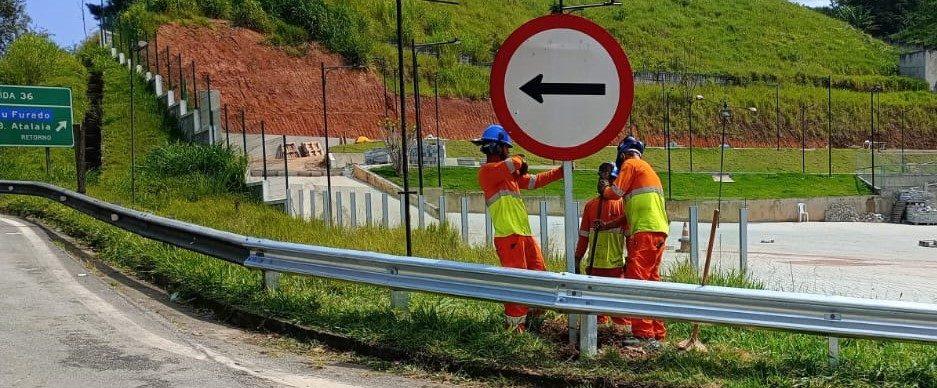
Brazil highway traffic signs with reflective sheeting at night showing road safety infrastructure in urban and highway environments
Introduction: Brazil Reflective Sheeting Market Overview
The reflective sheeting market in Brazil is growing rapidly due to increasing investments in road safety infrastructure, highway signage systems, and urban traffic management.
However, Brazil’s local production capacity for high-performance reflective sheeting materials such as High Intensity Prismatic (HIP) reflective sheeting and Diamond Grade (DG) reflective film remains limited.
As a result, the Brazil market is highly dependent on global reflective sheeting manufacturers and OEM suppliers from China, the United States, and Europe.
How the Reflective Sheeting Supply Chain Works in Brazil
The Brazil reflective sheeting supply chain is structured into three key layers:
1. Global Reflective Sheeting Manufacturers
Companies such as 3M, ORAFOL, and Avery Dennison dominate high-performance reflective materials.
2. Importers & Distributors in Brazil
These companies import reflective sheeting from the US, Europe, and China and distribute to contractors.
3. Road Construction & Signage Contractors
End users who convert reflective sheeting into traffic signs and safety systems.
Top Reflective Sheeting Manufacturers Serving Brazil Market
1. 3M (United States) – Global Market Leader
3M high intensity prismatic reflective sheeting used for highway traffic signs and diamond grade road safety applications
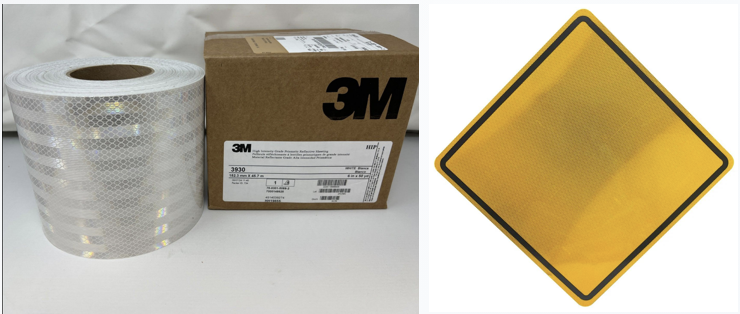
3M is the global leader in premium reflective technology.
Key strengths:
Diamond Grade (DG)
High Intensity Prismatic (HIP)
Widely used in Brazil highway projects
Brazil applications:
Highway traffic signage
Government road safety systems
Urban reflective signage projects
2. ORAFOL (Germany) – Engineering Grade Specialist
ORAFOL engineering grade reflective sheeting roll used for road signage and traffic safety systems in Brazil and Latin America
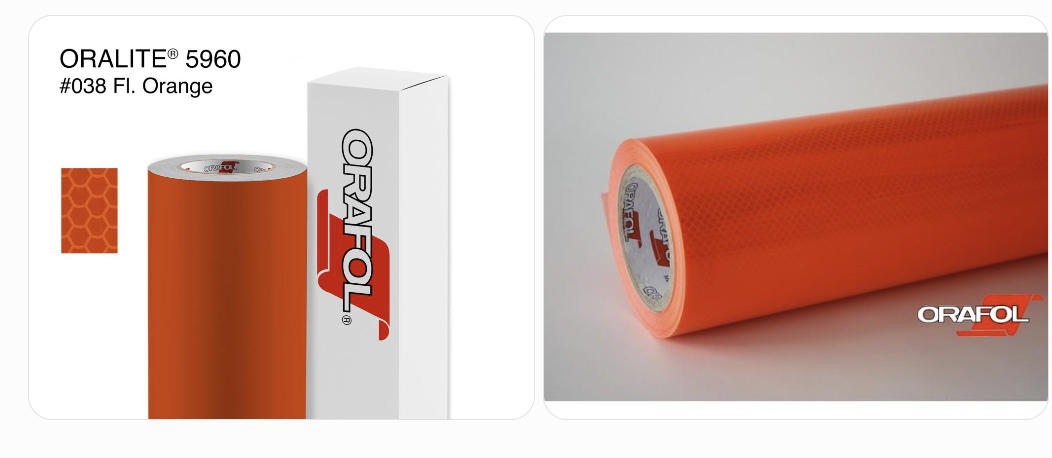
ORAFOL is a leading European reflective sheeting supplier in Brazil engineering-grade segment.
3. Avery Dennison (United States) – Multi-Application Supplier
Avery Dennison reflective vinyl used for vehicle graphics and commercial signage applications in Brazil advertising market
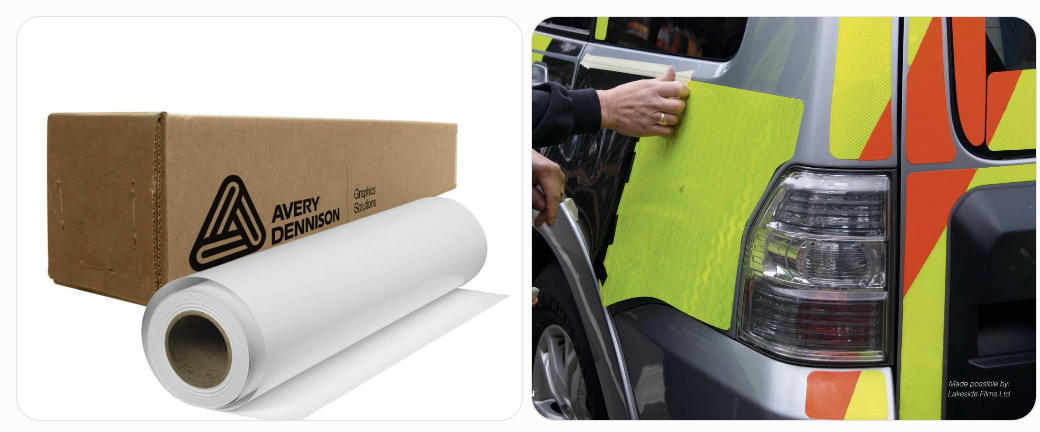
Avery Dennison focuses on multi-application reflective and labeling solutions.
4. China Reflective Sheeting OEM Manufacturers
China is now one of the largest reflective sheeting suppliers to Brazil.
Key advantages:
Full product range: PET / PVC / Acrylic reflective sheeting
OEM & private label services
30–50% cost advantage vs global brands
5. Ablaze Reflective Sheeting (China OEM Supplier)
Ablaze is a professional OEM reflective sheeting manufacturer serving Brazil and Latin America markets.
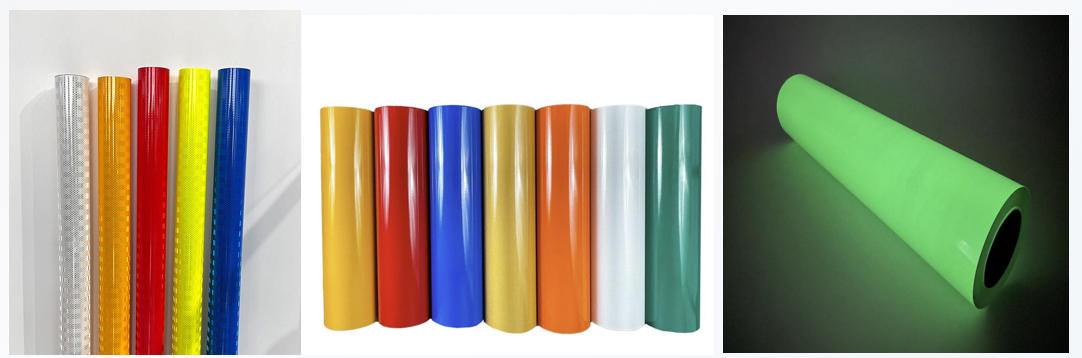
Product range:
Photoluminescent glow film
Visit: https://www.zhnewmaterial.com/
Brazilian Local Market Structre
The Brazil reflective sheeting market also includes:
Local distributors
São Paulo-based importers
Rio de Janeiro signage material suppliers
Road safety contractors
Government bidding suppliers
Highway signage manufacturers
Types of Reflective Sheeting Used in Brazil
Engineering Grade Reflective Sheeting (EGP)
Cost-effective road signage material
Municipal road applications
High Intensity Prismatic (HIP)
High brightness reflective performance
Highway safety systems
Diamond Grade (DG)
Premium reflective sheeting
Maximum visibility applications
Advertising Grade Reflective Vinyl
Vehicle branding
Commercial signage printing
Competitor Analysis
1. 3M – Premium Segment Dominator
Strong brand authority
High price barrier
Government project preference
2. ORAFOL – Engineering Segment Competitor
Strong in EU & Latin America
Better price than 3M
Growing Brazil penetration
3. Avery Dennison – Advertising Segment
Strong in vinyl & signage
Not specialized in highway DG/HIP
4. China OEM Manufacturers (Ablaze Included)
Strong cost advantage
Flexible OEM branding
Full product coverage
Fast-growing Brazil market share
Why Brazil Importers Choose China Reflective Sheeting Suppliers
Lower production cost (30–50% savings)
Full material range (PET / PVC / Acrylic)
OEM branding flexibility
Stable export supply chain
FAQ – Reflective Sheeting Brazil
What is the main supplier of reflective sheeting in Brazil?
Brazil relies heavily on global manufacturers such as 3M, ORAFOL, Avery Dennison, and China OEM suppliers.
Why does Brazil import reflective sheeting materials?
Because local production of high-performance reflective sheeting is limited.
What is the most used reflective sheeting type in Brazil?
EGP, HIP, and Diamond Grade reflective sheeting are most commonly used.
Is China a reliable reflective sheeting supplier for Brazil?
Yes, China OEM manufacturers provide cost-effective and stable supply solutions.
What standards are required in Brazil?
ASTM D4956, EN12899, and ISO certifications are commonly required.
RELATED NEWS

Sun, Sand and a 50°C Container: Getting Reflective Sheeting Through a Hot Climate
In hot regions, reflective sheeting can start ageing before it reaches the sign shop. UV, heat, dust and humidity each attack a different part of the product, and each needs its own defence.Picture a distributor in a hot coastal city who receives a container of prismatic sheeting in midsummer. It si
