


Reflective sheeting is widely used for traffic signs, safety signs, commercial signs, and outdoor identification systems because it provides visibility during both daytime and nighttime conditions.
However, some users may experience a common problem after installation: reflective sheeting peeling from the surface.
The film may start lifting from the edges, forming bubbles, or losing adhesion after a period of outdoor exposure.
When this happens, the problem is usually not caused by one single factor. Reflective sheeting performance depends on several conditions, including material selection, substrate preparation, application process, storage, and environmental exposure.
Understanding the common causes of peeling can help sign manufacturers, distributors, and end users avoid unnecessary replacement costs.
Common Signs of Reflective Sheeting Adhesion Problems
Reflective sheeting adhesion problems may appear in several ways:
Edge lifting
Partial peeling from the substrate
Air bubbles under the film
Wrinkles after application
Uneven surface appearance
Reduced long-term performance
These problems can affect not only appearance but also the reliability of the finished sign.
1. Poor Surface Preparation
One of the most common reasons for reflective sheeting failure is improper surface preparation.
Reflective sheeting is commonly applied to surfaces such as:
Aluminum panels
Metal substrates
Approved rigid sign boards
Before application, the surface should be:
Clean
Dry
Free from dust and oil
Free from loose paint or rust
Contaminants between the adhesive and substrate can reduce bonding strength and cause peeling over time.
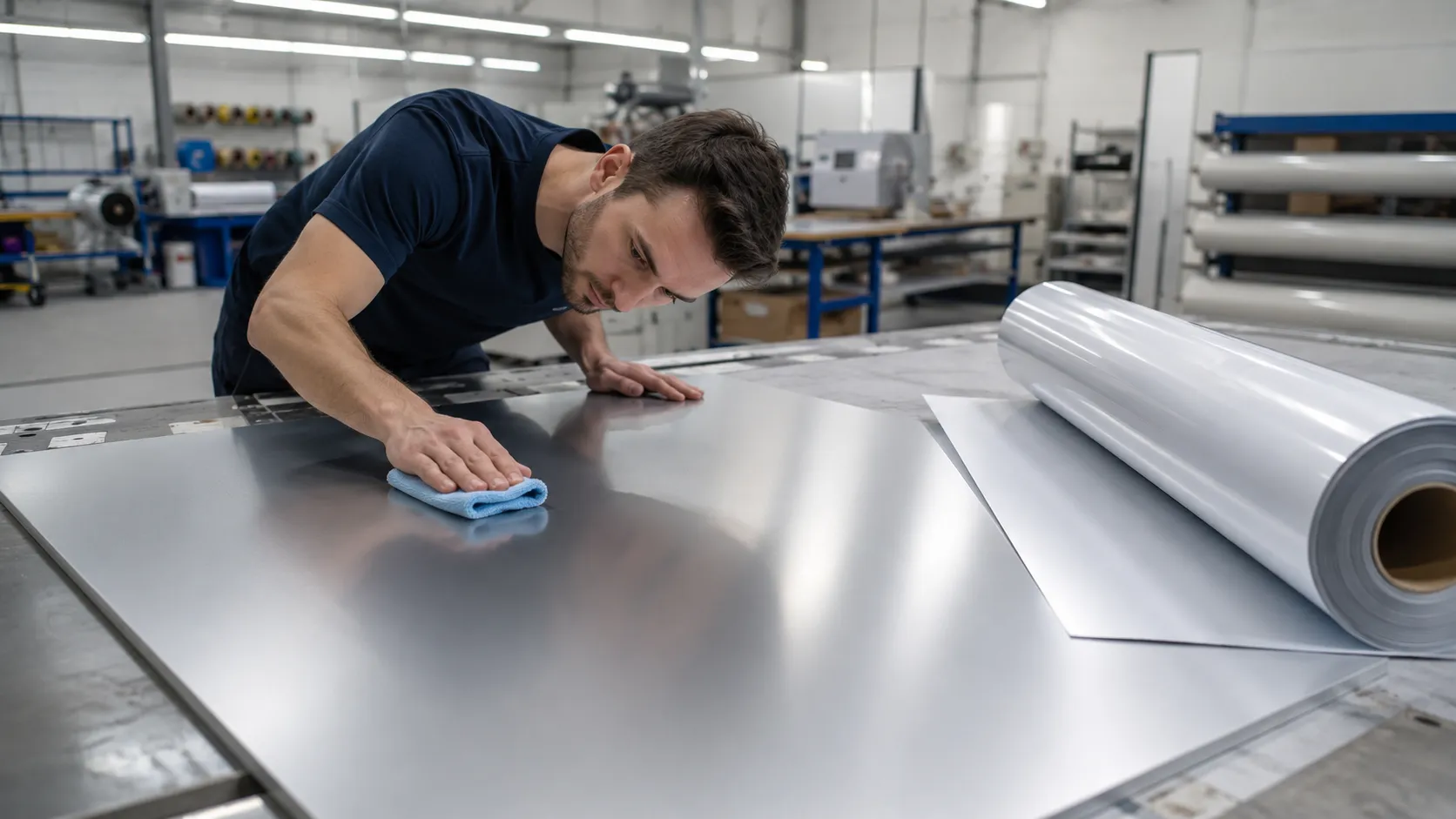
Even high-quality reflective sheeting may not perform properly if it is applied to an unsuitable or poorly prepared surface.
2. Incorrect Application Process
Reflective sheeting uses a pressure-sensitive adhesive system, which means proper application pressure is important.
Common application mistakes include:
Insufficient pressure
If the film is not pressed firmly enough during installation, the adhesive may not fully contact the substrate.
This can create weak bonding areas where peeling may occur later.
Uneven application
Wrinkles, trapped air, and uneven contact can reduce the effective bonding area.
Professional installation normally requires:
Clean tools
Smooth application methods
Uniform pressure
Following the manufacturer's application instructions can greatly improve adhesion performance.
3. Unsuitable Application Conditions
Environmental conditions during installation can affect adhesive performance.
Low temperature
Cold conditions may reduce adhesive flexibility and make initial bonding more difficult.
Moisture
Applying reflective sheeting on a wet or humid surface may affect adhesion.
Excessive heat
High temperatures can influence material expansion and contraction after installation.
Different reflective sheeting products may have different application recommendations, so buyers should always follow the supplier's technical guidelines.
4. Wrong Substrate Compatibility
Not every surface is suitable for direct application of reflective sheeting.
Possible problem surfaces include:
Rough surfaces
Unstable paint coatings
Dirty plastic surfaces
Damaged substrates
Before ordering, buyers should confirm:
Recommended substrate types
Adhesive characteristics
Application method
Choosing a reflective film that matches the actual substrate can prevent many adhesion issues.
5. Improper Storage Before Use
Storage conditions before installation are often overlooked.
Incorrect storage may affect:
Adhesive performance
Film flatness
Processing quality
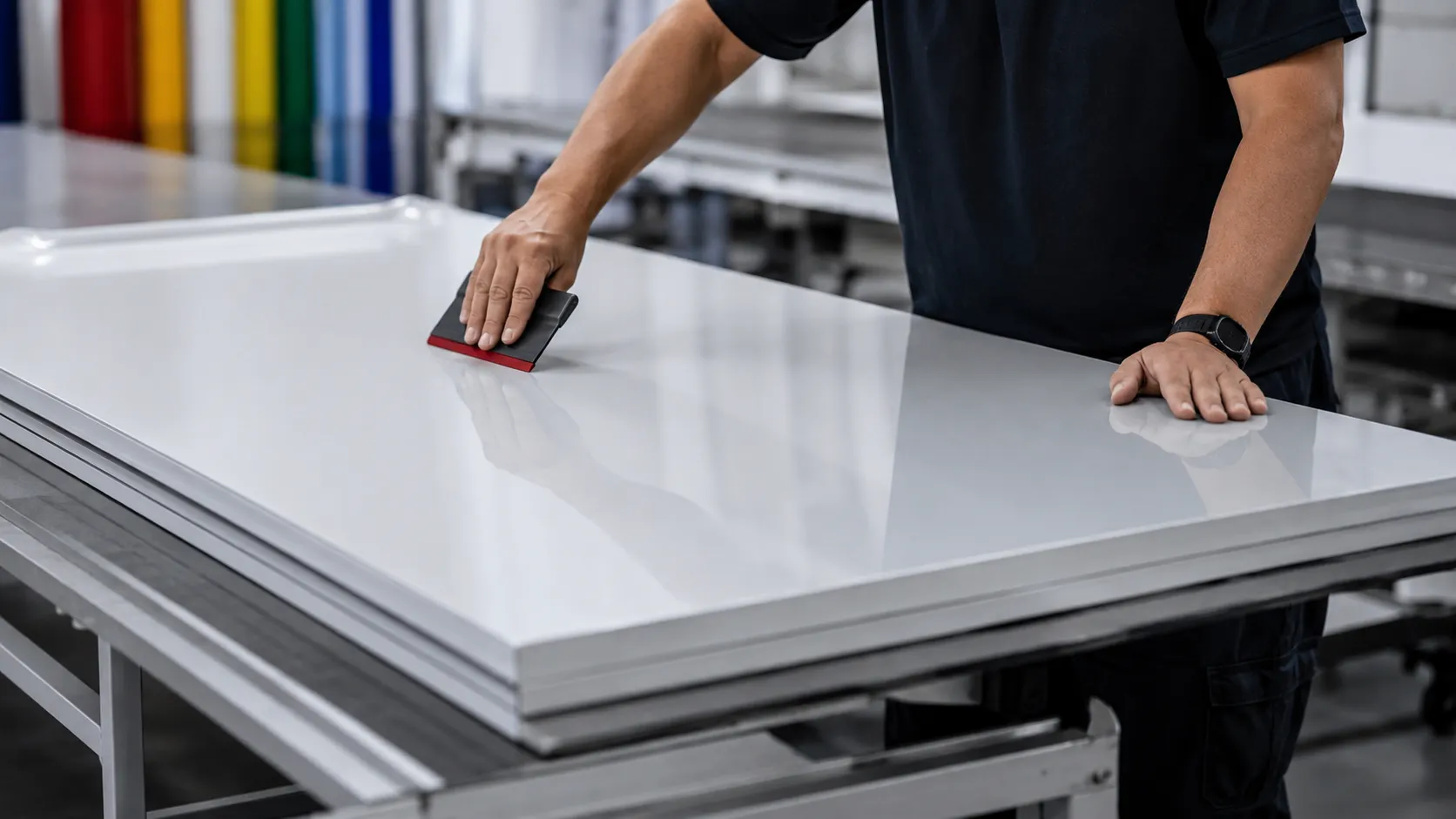
Recommended storage practices include:
Keep rolls in original packaging
Store in a dry environment
Avoid direct sunlight
Avoid extreme temperatures
Protect rolls from physical damage
Proper storage helps maintain the original performance of reflective sheeting before application.
6. Choosing the Wrong Reflective Sheeting
Different applications require different levels of reflective performance.
For example:
Engineering Grade reflective sheeting is often used for:
Parking signs
Commercial signs
Property signs
General safety signs
HIP (High Intensity Prismatic) reflective sheeting is commonly selected when stronger nighttime visibility is required.
If a project requires higher visibility but uses a material that does not match the application, users may feel that the product is "not performing well" even though the material itself is working normally.
The correct choice should consider:
Application environment
Viewing distance
Visibility requirements
Expected outdoor life
7. Long-Term Environmental Exposure
Outdoor signs are exposed to many environmental factors:
UV radiation
Rain
Temperature changes
Humidity
Dust
Physical impact
Over time, these conditions can affect the performance of both the reflective film and adhesive system.
The actual service life depends on:
Product construction
Adhesive quality
Installation quality
Climate conditions
Maintenance
Therefore, durability should always be evaluated based on the specific product and application.
How to Prevent Reflective Sheeting From Peeling?
Following a proper process can significantly reduce adhesion problems.
1. Select the Correct Product
Choose reflective sheeting according to:
Application
Required visibility
Substrate
Outdoor environment
Expected service life
Do not select materials only based on price.
2. Prepare the Surface Properly
Before installation:
Clean the surface
Remove dust and oil
Ensure the substrate is dry
Check surface condition
Good preparation is the foundation of long-term adhesion.
3. Follow Installation Guidelines
Use the correct:
Application tools
Pressure
Installation method
Environmental conditions
Small installation mistakes can create long-term problems.
4. Test Before Large Orders
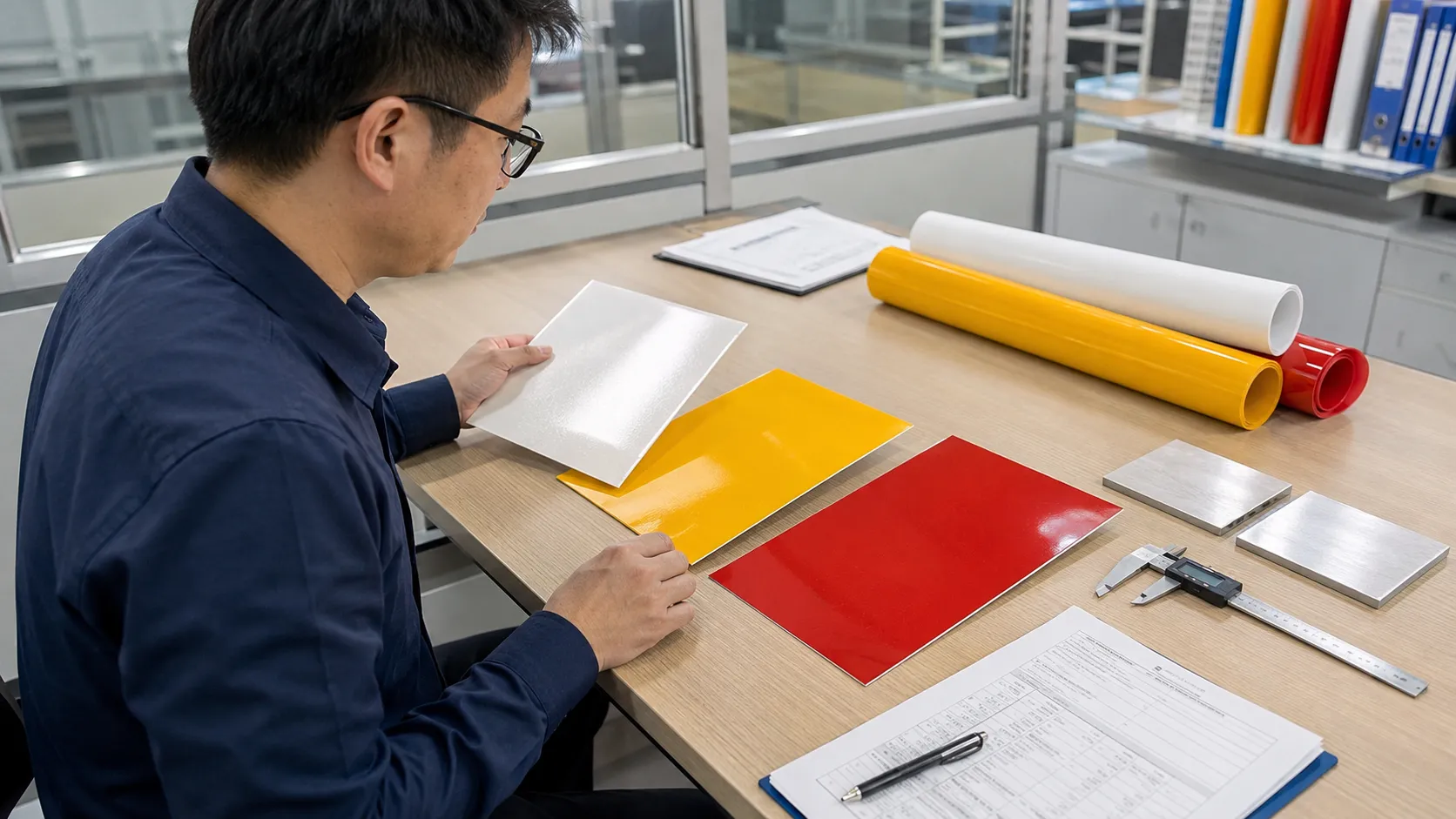
For large projects or new applications, sample testing is highly recommended.
Testing can help evaluate:
Adhesion
Appearance
Reflective performance
Cutting performance
Printing compatibility
A small test before production can help avoid larger problems later.
Can Peeling Reflective Sheeting Be Repaired?
It depends on the level of damage.
For minor edge lifting, reapplication may sometimes be possible after checking the surface condition.
However, when there is:
Large peeling area
Contamination under the film
Serious adhesive failure
replacement is usually the better solution.
Trying to repair severely damaged reflective sheeting may affect appearance and long-term reliability.
What Should Buyers Check Before Purchasing Reflective Sheeting?
When selecting a reflective sheeting supplier, buyers should consider more than price.
Important factors include:
Product Information
Check:
Reflective technology
Product construction
Adhesive type
Durability information
Technical datasheet
Application Requirements
Provide information about:
Final application
Substrate material
Printing method
Installation environment
Expected quantity
Supplier Support
A reliable supplier should provide:
Technical documents
Product recommendations
Samples
Application guidance
Good technical support can reduce many problems after purchase.
FAQ
Why is my reflective film peeling from the edges?
Common causes include poor surface preparation, insufficient application pressure, unsuitable conditions, or substrate compatibility issues.
Can reflective sheeting be applied to painted metal?
Yes, but the paint surface should be stable, clean, and suitable for adhesive bonding.
How should reflective sheeting rolls be stored?
Store rolls in their original packaging in a dry environment and protect them from direct sunlight and extreme conditions.
Does expensive reflective sheeting prevent peeling?
Not always. Correct installation and proper application are equally important.
Should I test reflective sheeting before bulk ordering?
Yes. Testing samples on the actual substrate and production process can reduce purchasing risks.
Bottom Line
Reflective sheeting peeling problems are usually caused by a combination of factors, including surface preparation, installation conditions, storage, environmental exposure, and product selection.
The best way to avoid adhesion problems is:
Choose the right material → Prepare the surface correctly → Apply properly → Test before bulk production.
For sign manufacturers, distributors, and safety-product buyers, selecting a reliable reflective sheeting supplier with strong technical support is just as important as choosing the right product.
About ABLAZE Reflective Sheeting
ABLAZE, produced by Changzhou Zhenghe New Material Technology Co., Ltd., specializes in reflective sheeting and safety materials for global signage applications.
We provide different reflective solutions, including:
With professional production experience, technical support, and sample testing services, ABLAZE helps customers select suitable reflective materials according to their application requirements.
If you have questions about reflective sheeting selection, adhesion performance, or application methods, please contact us for technical support and product recommendations.
RELATED NEWS

Sun, Sand and a 50°C Container: Getting Reflective Sheeting Through a Hot Climate
In hot regions, reflective sheeting can start ageing before it reaches the sign shop. UV, heat, dust and humidity each attack a different part of the product, and each needs its own defence.Picture a distributor in a hot coastal city who receives a container of prismatic sheeting in midsummer. It si
